

A kitchen herb garden needs five things: a sunny windowsill, well-draining pots, the right starter herbs (basil, parsley, mint, chives, and rosemary are the easiest), regular water, and frequent harvesting, because the more you cut most herbs, the more they grow. Here's how to grow them, cut them, store them, and, most importantly, when to add them while cooking.
Start With the Easy Five
Skip the exotic choices for your first kitchen garden and grow what you'll actually cook with:
- Basil: The most rewarding, and the hungriest for sun. Pinch off flower buds the moment they appear or the leaves turn bitter.
- Parsley: Nearly indestructible and useful in almost everything. Flat-leaf has more flavor than curly.
- Mint: Grows so aggressively it should always get its own pot, never shared soil.
- Chives: Cut them like a haircut, an inch above the soil, and they regrow within weeks.
- Rosemary: The slowest starter but the longest-lived. Buy a small plant rather than starting from seed.
Growing Basics
Plan for the light you have. Most herbs want 4 to 6 hours of direct sun; a south-facing windowsill is ideal. Get the soil right: use a well-draining potting mix, and enrich outdoor beds with organic matter like compost. Start small: two or three herbs you cook with weekly beat a dozen you'll neglect. Water consistently: deeply when the top inch of soil is dry, rather than a little every day. Gardening takes patience, but herbs are the fastest reward in it: most are ready to harvest within weeks, not months.
Harvesting and Chopping
Harvest in the morning when the oils are strongest, and never strip more than a third of the plant at once. For tender herbs like basil and mint, stack the leaves, roll them into a cigar, and slice across for ribbons (a chiffonade).
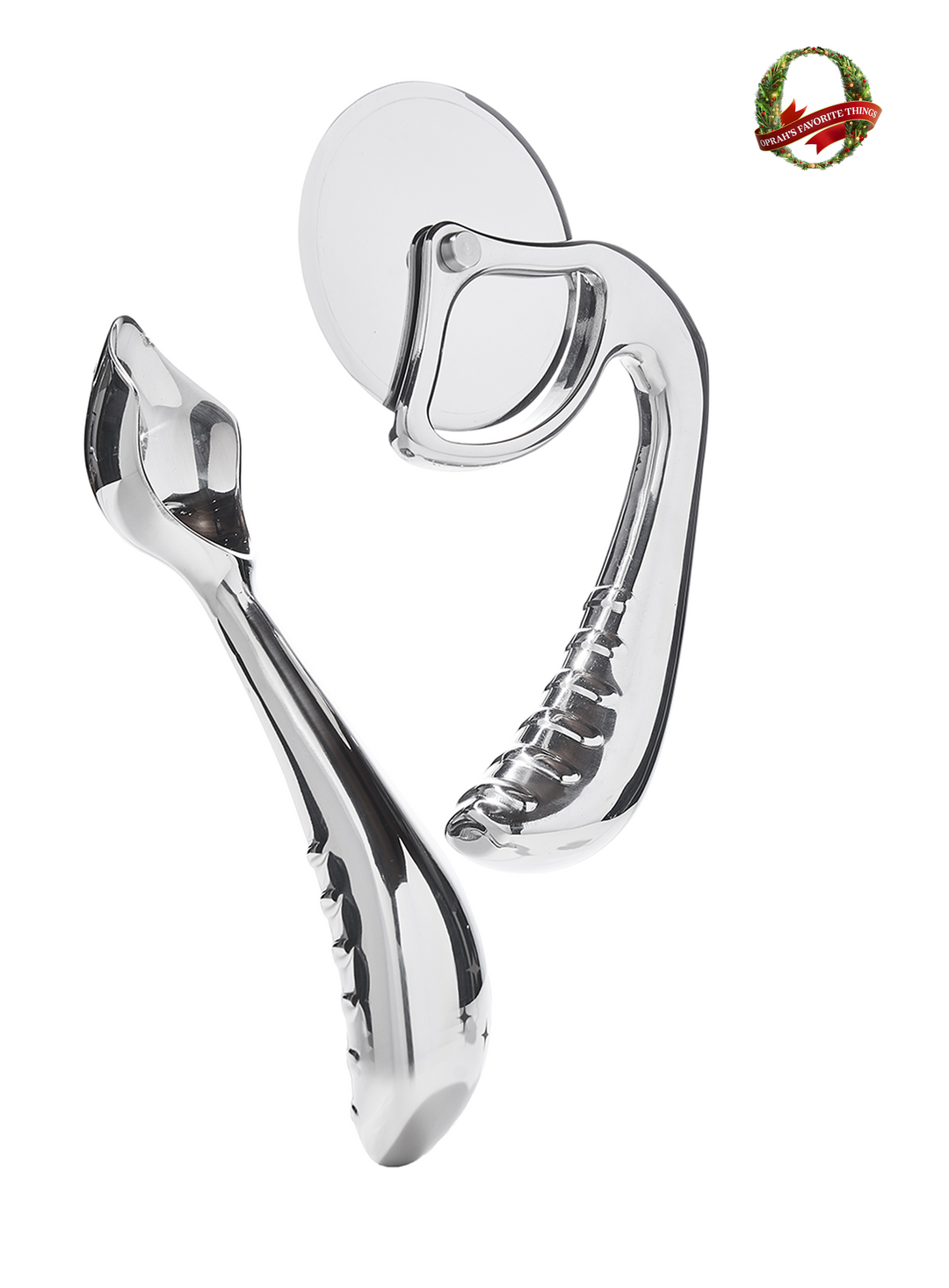
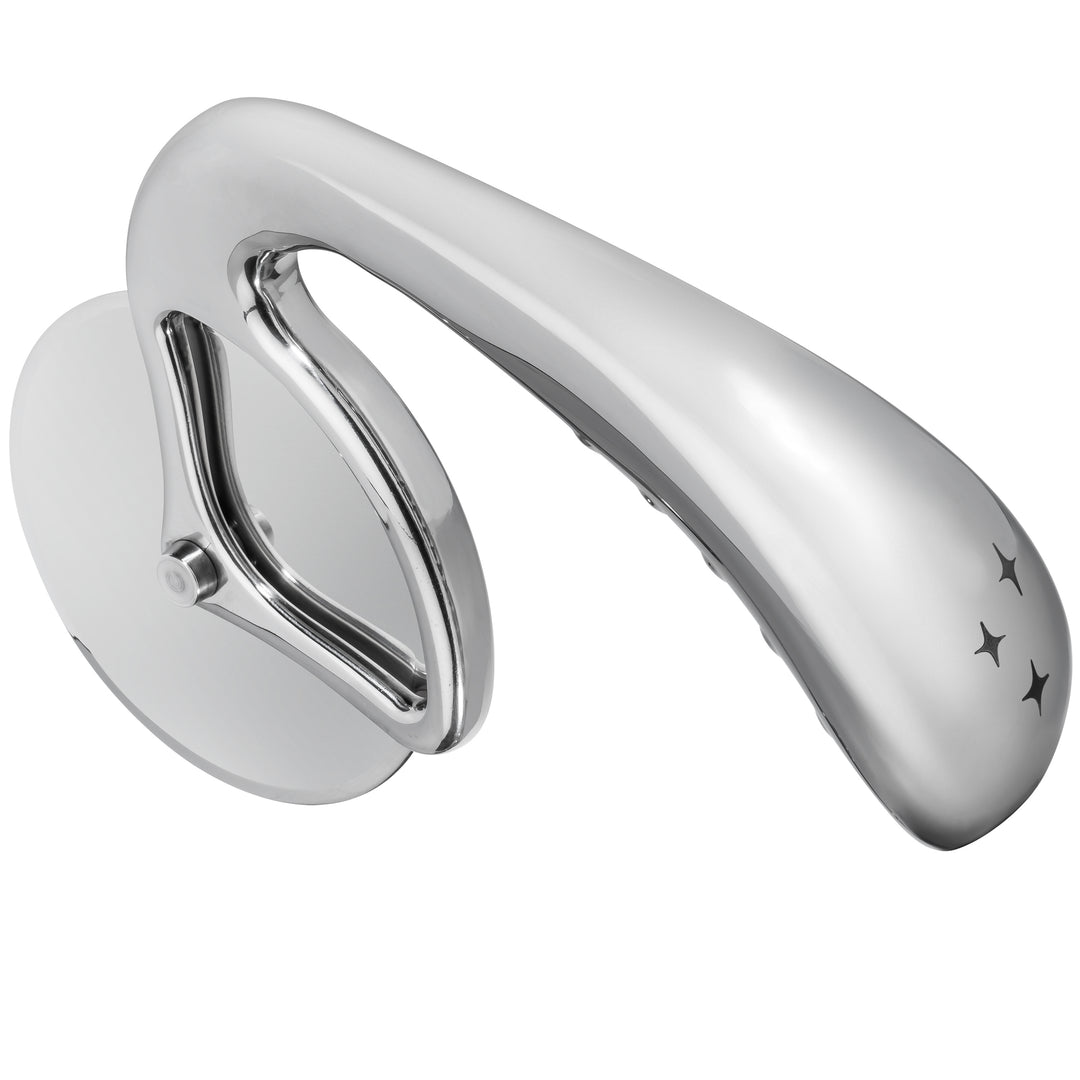
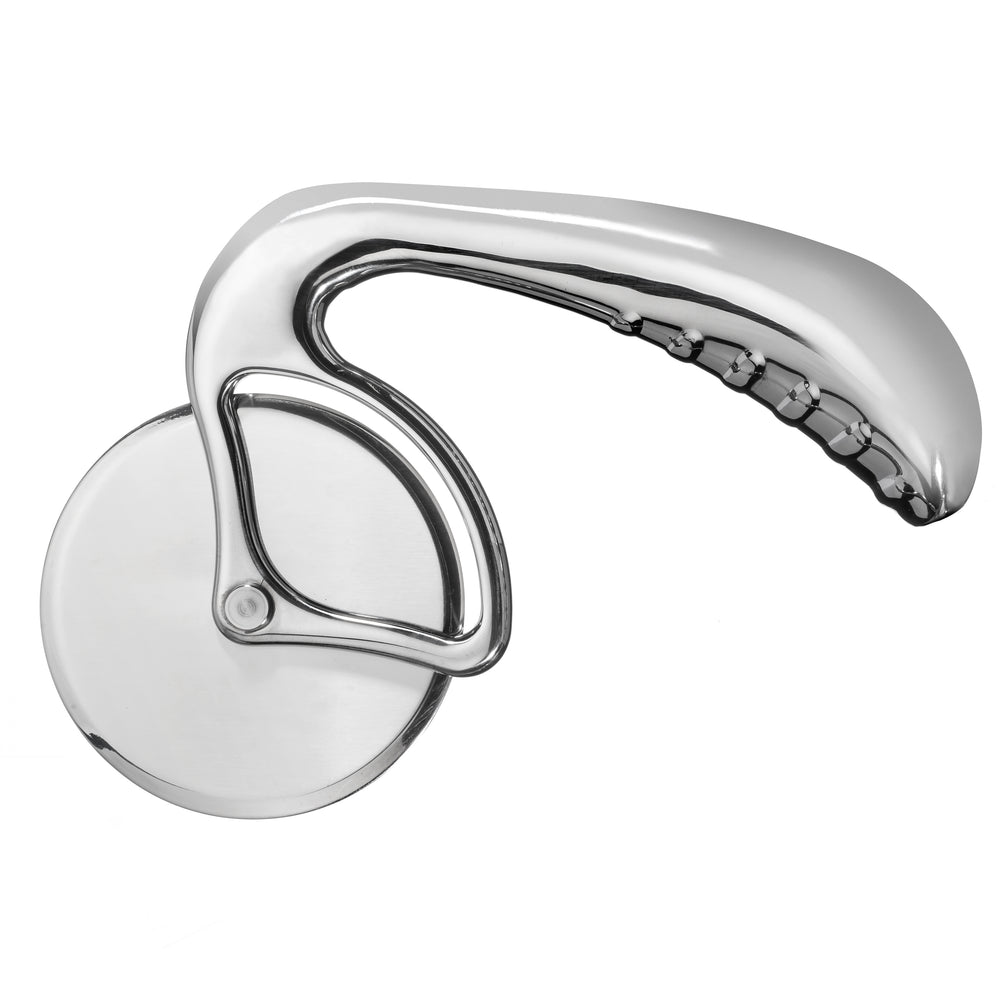
For fast chopping of parsley, chives, or a mixed handful, a rolling cutter is quicker and gentler than rocking a knife: pile the herbs on a board and make a few passes in different directions. The wheel slices cleanly instead of bruising, which keeps the herbs green instead of blackening on the cut edges. The Midnight Slice ($59.95), our stainless steel rolling cutter, handles herbs as easily as it handles pizza, and the acacia Midnight Board gives you a 19 x 14.5 inch surface to chop and prep on. A quick wipe of food-safe mineral oil now and then keeps the board from staining, herb chlorophyll included.
Keeping Herbs Fresh
Tender herbs (basil, parsley, mint, cilantro): trim the stems and stand them in a glass with an inch of water, like flowers. Basil stays on the counter; the rest go in the fridge loosely covered and last 1 to 2 weeks.
Hardy herbs (rosemary, thyme, sage): wrap in a barely damp paper towel inside a bag in the fridge, good for 2 to 3 weeks.
Long-term: chop extras, pack them into an ice cube tray, cover with olive oil, and freeze. The cubes go straight into a hot pan for months afterward.
When to Add Herbs While Cooking (the Rule That Matters Most)
Hardy herbs go in early; tender herbs go in late. Rosemary, thyme, sage, and bay can simmer from the start, because their flavor compounds survive heat and need time to release. Basil, parsley, mint, cilantro, and chives lose their flavor within minutes of hitting heat, so stir them in during the last minute or scatter them over the finished plate. Getting this one rule right does more for your cooking than doubling the quantity of any herb.
There's nothing more rewarding than cooking a meal with fresh ingredients you grew yourself. Grow the easy five, cut them right, add them at the right moment, and every weeknight dish gets better.
FAQs
Q1: What are the easiest herbs to grow in a kitchen?
Basil, parsley, mint, chives, and rosemary. All five thrive in pots on a sunny windowsill, and the first four regrow quickly after cutting, so a small garden keeps a kitchen supplied.
Q2: How do you keep fresh herbs from wilting?
Stand tender herbs like parsley and basil in a glass of water like flowers (basil on the counter, the rest refrigerated), and wrap hardy herbs like rosemary in a damp paper towel in the fridge. Stored this way they last 1 to 3 weeks instead of days.
Q3: When should you add fresh herbs while cooking?
Hardy herbs (rosemary, thyme, sage, bay) go in early and can simmer throughout. Tender herbs (basil, parsley, mint, cilantro, chives) go in during the last minute or after cooking, because heat destroys their flavor quickly.
Q4: How much fresh herb equals dried?
The standard ratio is 3 to 1: one tablespoon of chopped fresh herbs equals about one teaspoon of dried, because drying concentrates the flavor.
Q5: Can you regrow herbs from the grocery store?
Often, yes. Basil and mint cuttings root in a glass of water within a week or two and can then be potted. Living herb pots sold with roots attached can go straight into a larger pot of soil.